For operations-heavy companies, selecting a CRM directly impacts operating margins and agility. Buying an off-the-shelf SaaS suite looks like the fastest path on day one. Yet as operations expand across fulfillment, field crews, and coordinators, rigid per-seat licensing turns into an operational tax that restricts collaboration and fuels shadow spreadsheets.
Illustrative synthetic scenario: the analysis and economic calculations in this guide describe an engineering and operational decision framework for a custom AI CRM with MCP and do not represent any specific client or commercial commitment.
The Per-Seat Licensing Trap: When Operational Growth Triggers a Penalty
Traditional SaaS business models charge recurring monthly fees for every user granted access. For a sales team of ten account executives, this seat tax feels predictable. However, operational businesses are far more than outbound sales floors: they orchestrate warehouse coordinators, field technicians, dispatchers, quality inspectors, and billing specialists.
When these stakeholders need access to confirm installations, check status, or resolve issues, the company faces an expensive dilemma. Upgrading dozens of staff to enterprise tiers creates steep subscription bills. To contain costs, leadership limits seats to managers, forcing field technicians and dispatchers into unmanaged WhatsApp chats and disconnected sheets. Data fragments across unmonitored channels.
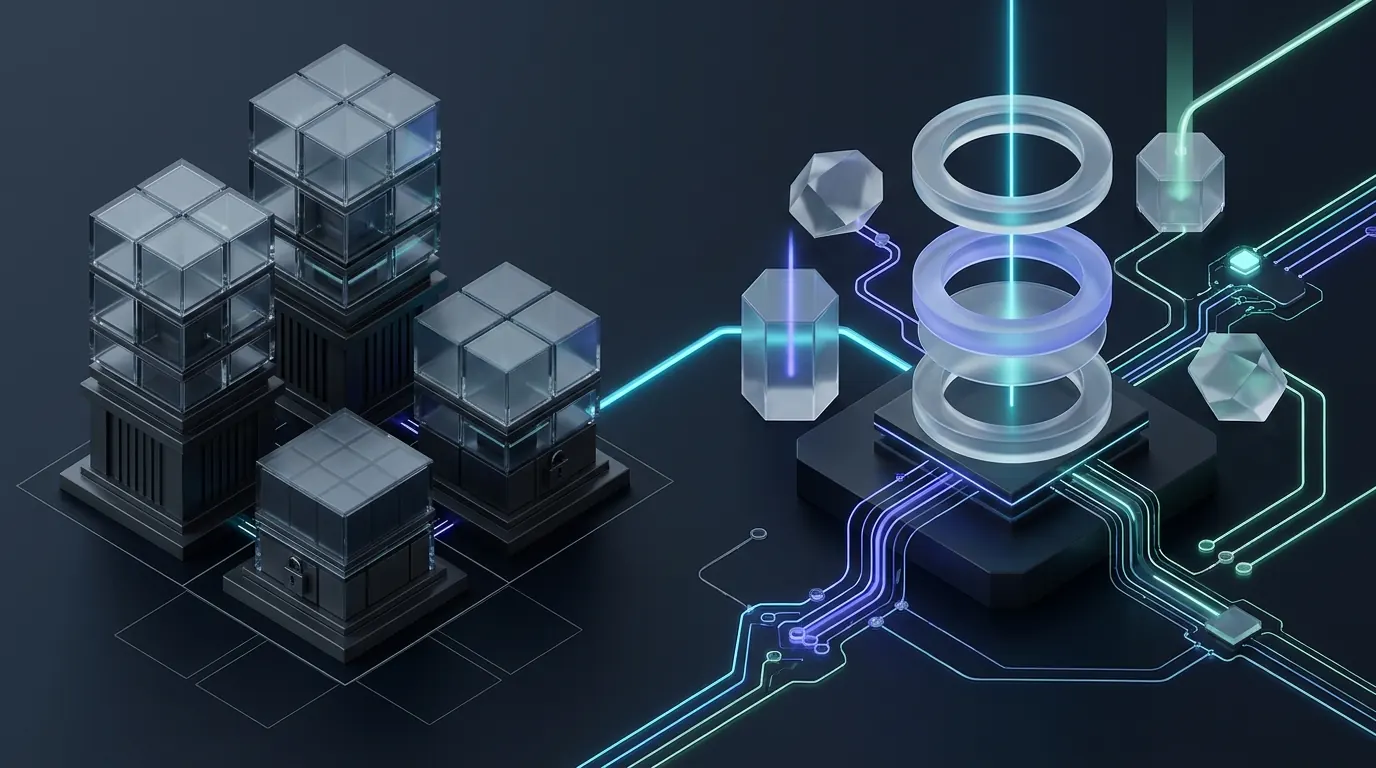
Compounding seat taxes, vendor lock-in, and operational exclusion. Monthly licensing scales steeply with headcount, budget caps lock out field teams, and critical handoff context leaks into side spreadsheets.
Complete relational core ownership, zero seat fees, and total flexibility. Role-tailored operational views with unlimited users, exact alignment with unique business logic, and sovereign database governance.
Shifting to an owned, per-seat CRM alternative reshapes operational economics: proprietary customer and operational state lives in a dedicated relational database, while lightweight web interfaces deliver role-scoped views without recurring per-user fees.
Integration Sprawl and the Middleware Maintenance Tax
Commercial SaaS vendors market thousands of pre-built integrations. In real architectures, however, bending a generic CRM schema to accommodate bespoke operational workflows creates substantial integration debt:
Fragile Middleware Pipelines and Rate Limits
Connecting SaaS records with ERP databases, inventory systems, or messaging gateways often relies on third-party iPaaS automation. Whenever an external API updates its schema or enforces rate limits, sync jobs stall, causing inventory mismatches, delayed confirmations, and manual firefighting.
Paying Twice for Customizations
When operational nuances exceed standard objects, organizations hire external consultants to build custom fields, validation rules, and specialized scripts. Over time, businesses spend substantial budgets customizing a vendor's proprietary runtime rather than accumulating equity in their own software assets.
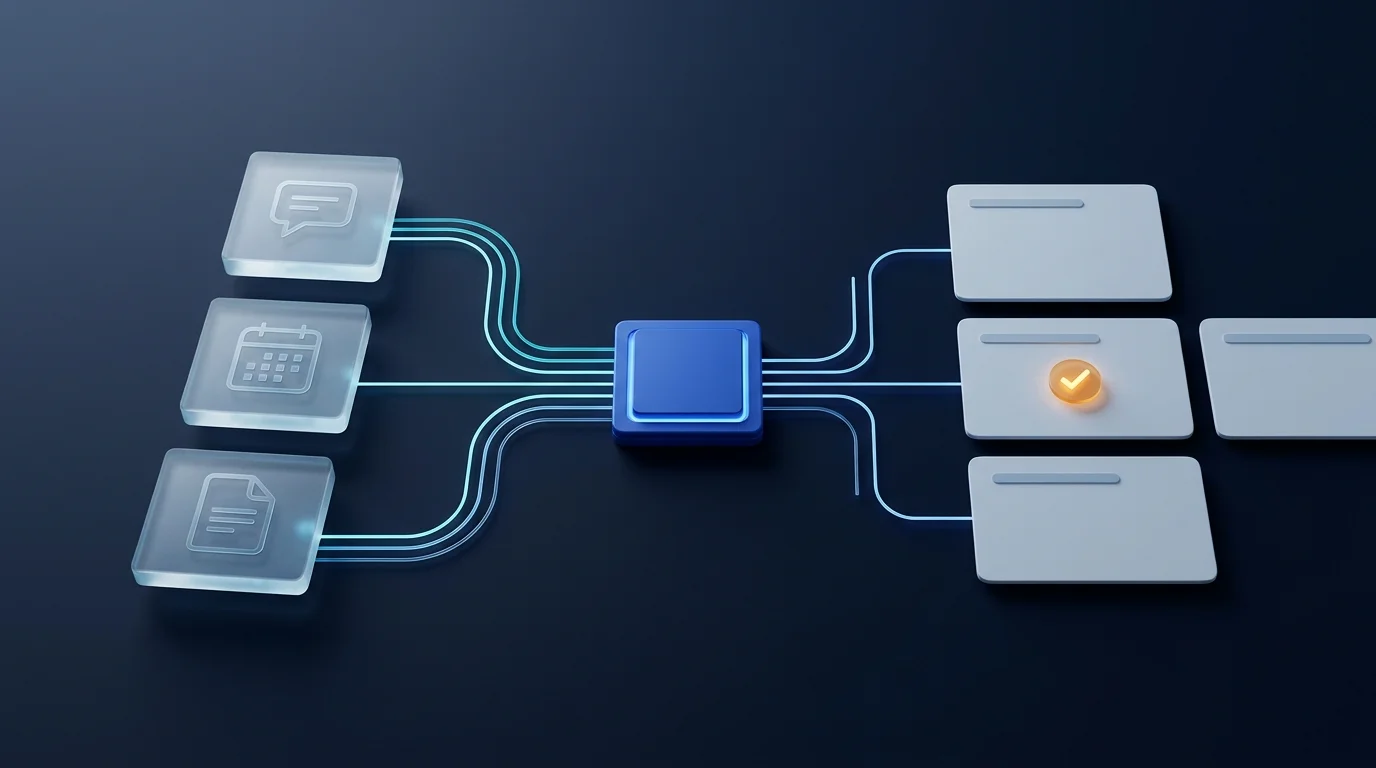
Instead of funding recurring middleware workarounds, investing in custom product and core system development establishes a unified database architecture where internal systems, communications, and operational records communicate natively without third-party toll booths.
Generic SaaS AI Limitations: Expensive Add-ons Without Deep Context
Most commercial CRM vendors offer generative AI features as expensive per-seat add-on SKUs. However, inside a walled-garden SaaS ecosystem, AI capabilities remain restricted strictly to data captured within that single vendor application.
These generic assistants cannot parse complex internal CAD files, verify warehouse logistics in real time, or trigger proprietary operational routines. In contrast, under a custom MCP-native CRM architecture, your database connects directly to an internal Model Context Protocol server. This open architecture allows AI models to query Postgres tables safely under strict role boundaries, compile cited customer briefings, and execute validated workflows with explicit human approval.
Four Hard Questions to Resolve the Build vs Buy Equation
Before committing to multi-year enterprise renewals or approving a custom software roadmap, leadership should evaluate their position across four objective criteria:
Ignoring premium tier upgrades, storage overage fees, mandatory implementation retainers, and third-party connector costs yields a distorted, artificially low estimate of long-term SaaS expense.
Mandating that service coordinators and technicians alter effective operational habits to fit rigid vendor constraints damages customer experience and introduces systemic operational friction.
- What is your ratio of core sales reps to operational coordinators? When most users need simple status updates, delivery sign-offs, or dispatch schedules, paying enterprise seat licensing across the workforce becomes economically unsustainable.
- How proprietary are your operational workflows? Businesses with complex fulfillment cycles, specialized pricing, or compliance boundaries struggle to fit their reality into rigid off-the-shelf software schemas.
- What is the true three-year total cost of ownership? Tally all seat subscriptions, consultant retainers, storage charges, iPaaS automation tiers, and auxiliary AI add-ons across your entire software stack.
- Where must strategic business data and customer intelligence live? Full ownership of your relational database guarantees business resilience, ensures compliance with data protection standards, and eliminates vendor captivity.
Break-even analysis: at what operational scale does buying SaaS become more expensive than building?
Beyond this threshold, recurring subscription fees and middleware maintenance surpass the capital expenditure of custom engineering. More importantly, building yields a proprietary technological asset that scales without seat taxes while granting complete freedom to modify, automate, and extend operational workflows.
Modern Custom CRM Engineering: A Production Core in Weeks, Not Years
Historically, the primary risk of building custom software was project duration. Multi-quarter development cycles suffered from scope creep. Today, modern AI-assisted engineering and modular open-source frameworks make it possible to launch an operational CRM core in weeks.
Engineering teams focus on building high-leverage business components:
- Clean Canonical Data Modeling: Architecting a normalized Postgres schema that cleanly separates Accounts, physical Service Sites, Contacts, Commercial Quotes, Work Orders, and an immutable Timeline.
- High-Performance Role-Tailored Interfaces: Building responsive web interfaces designed for distinct responsibilities, eliminating visual clutter and cognitive overhead.
- Native Communication Pipelines: Integrating directly with messaging APIs, telephony providers, and ERP accounting systems without brittle middleware platforms.
- Embedded MCP Intelligence: Providing governed read and reasoning tools for AI agents to synthesize customer histories and draft operational updates under human verification.
Readiness Signals for Transitioning to an Owned System
Transitioning from commercial SaaS tools to a custom operational CRM is an important strategic move. Consider moving forward when observing these clear readiness signals across your business:
- Mounting friction over seat licensing invoices: Management hesitates to grant system access to field staff, subcontractors, or partner coordinators due to the marginal cost of additional seats.
- Proliferation of shadow spreadsheets and side tools: Operational departments routinely track delivery timelines, pricing sheets, and job notes outside the official CRM because the platform is too cumbersome.
- Fragmented handoffs between sales and operational teams: Crucial customer promises made during sales negotiations fail to transfer cleanly to dispatch, fulfillment, or customer care teams.
- Strategic appetite for proprietary digital assets: Executive leadership recognizes that operational efficiency is a core competitive moat deserving dedicated, owned software infrastructure.
A CRM is not merely a sales ledger; it serves as the operational operating system of your entire enterprise.
When per-seat fees, integration friction, and rigid software boundaries threaten to stall operational scale, developing a custom CRM restores data sovereignty, eliminates recurring license waste, and empowers your workforce with tools built exactly for how they work.